Introduction
A gear WoW Boost can shortcut weeks of play by focusing on high-value drops in dungeons, raids, or special events. Instead of chasing random loot through standard quests, a boost runs you through content that drops top-tier gear for your level or role. This means you spend more time playing with the new items and less time grinding old zones. Good gear matters because it raises your damage, healing, or damage reduction, and it can open new group options. With higher item levels, you unlock tougher content and earn more rewards from daily activities.
A boost session packs each minute with the best possible chances for loot that matches your spec. At the end of a session, you’ll likely see several slots filled with upgrades, from sharper weapons to stronger trinkets. Beyond raw stats, a gear boost can grant you access to set bonuses or legendary effects that change how you play. In short, a boost filters out low-yield tasks and points you directly at the sources of the best rewards. This guide shows you how to make the most of a gear boost by choosing the right content, preparing your character settings, and testing your new items after the run. Follow these steps to fill empty slots, replace low-level pieces, and gear up for the next challenge without delay.
Types of Gear Upgrades
Gear upgrades come in several forms, each with its own impact on your performance. The most obvious is a jump in item level: a single boss clear on a high-difficulty raid can drop an item several levels above what you currently wear. These jumps directly boost your core stats, such as strength, intellect, or agility. Next, gear sets offer matching bonuses when you wear multiple pieces from the same raid or dungeon tier. These bonuses can grant extra damage, healing throughput, or resource generation, making each set piece more than the sum of its parts.

Some boosts focus on cosmetic rewards—mounts, pets, or transmog pieces—that let you stand out in groups while still granting minor stat benefits. Finally, special trinkets and accessories from weekly events or bonus objectives can slot into even endgame builds. A boost session can target specific bosses or tasks known to drop these items. By choosing a boost that covers multiple types—item level, set pieces, and unique trinkets—you maximize the return on each run. Understanding these categories helps you pick the content that best fills your weakest slots and completes your preferred set bonuses.
Prepare Your Character
Before you start any gear boost, take a few minutes to set your character up for success. First, log in and inspect each equipment slot. Note which slots hold the lowest item levels or lack set bonuses you want. Write these down or keep a screenshot to share with your guide or boost add-on. Next, clear your bag and bank space so new items drop without filling your inventory. Delete or sell low-value items, and move any quest or crafting materials you need into storage.
Then, choose the right specialization for your role and update your talent tree if needed. A healer would pick a healing spec, a tank picks a mitigation build, and a damage dealer picks their highest-output spec. Finally, set simple UI alerts or add-ons that show new loot and item levels when drops occur. Bind quick keys for vendor and mailbox windows to clear space on the fly. With each slot noted, inventory cleared, and spec chosen, you hand over a ready-to-go character. This prep work ensures every item from your boost lands in the right place and that you can equip upgrades immediately to test their impact on your play.
Boost Methods for Gear
A gear boost can target several types of content to fill your slots with higher item levels and set bonuses. Group dungeon runs are a fast option: you join a party, clear trash mobs, and defeat a final boss that drops gear for multiple players. Raids offer loot at an even higher item level, with each boss providing a chance at tier pieces and unique trinkets. For players who need specific items—like ring or trinket upgrades—weekly world missions and bonus objectives can supply those drops. Special events, such as time-limited boss encounters or seasonal festivals, sometimes hand out unique gear with cosmetic flair. Each method has its own pace and reward pattern, and you can mix and match to fill your weakest slots first.
| Method | Location | Key Drops | Notes |
|---|---|---|---|
| Group Dungeon Runs | Heroic/Mythic Dungeons | Chest armor, trinkets | Fast clears if group is balanced |
| Raid Boss Clears | Raid Instance | Tier set pieces, legendary trinkets | Best for item level jumps |
| Weekly World Missions | Open World Zones | Ring, neck pieces | Limited slots; resets weekly |
| Seasonal Events | Event Areas | Cosmetic gear, toys | Often low drop rates; unique appearances |
Use this table to pick the right content for your needs. If slots in your main gear set remain empty, focus on dungeon or raid content that drops those slots. If you need a matching bonus, aim for pieces from the same tier. Seasonal events can fill gaps with fun looks while still boosting core stats. Planning your run list in advance ensures you hit every key drop source.
During the Boost Session
Once your session begins, clear steps keep progress smooth and boosts efficient. First, watch your loot window: new drops appear there, and clicking “Equip” on upgrades saves you a return trip to town. Second, use a simple add-on or built-in UI alert to highlight item level increases. Third, stay grouped or in range of group members when loot is rolling—some drops need every player nearby to register. Fourth, tag bonus objectives or world bosses quickly so you don’t lose time searching. Fifth, handle vault or storage opens right away to avoid inventory clutter. Finally, if you spot a stuck zone or slow clear time, speak up so the group can skip non-essential trash or switch to a faster path.
- Monitor your loot window and equip new items instantly
- Use alerts to track item level gains
- Stay near group members when loot drops roll out
- Tag world bosses and bonus objectives without delay
- Open vault or storage as soon as it’s available
- Report any slow clears or zone lag to adjust the route
Following these points keeps the run tight and focused on the best drops, cutting out dead time and extra travel.
Post-Boost Gear Check
After the boost ends, it’s critical to review each item and make sure your gear is set up for normal play. Log out of any group finder tool and return to a major city or hub. Open your character panel and click through each slot, checking item level and bonus stats. Compare new gear against old pieces by looking at core attributes: strength, intellect, agility, stamina, and secondary stats like critical or versatility.
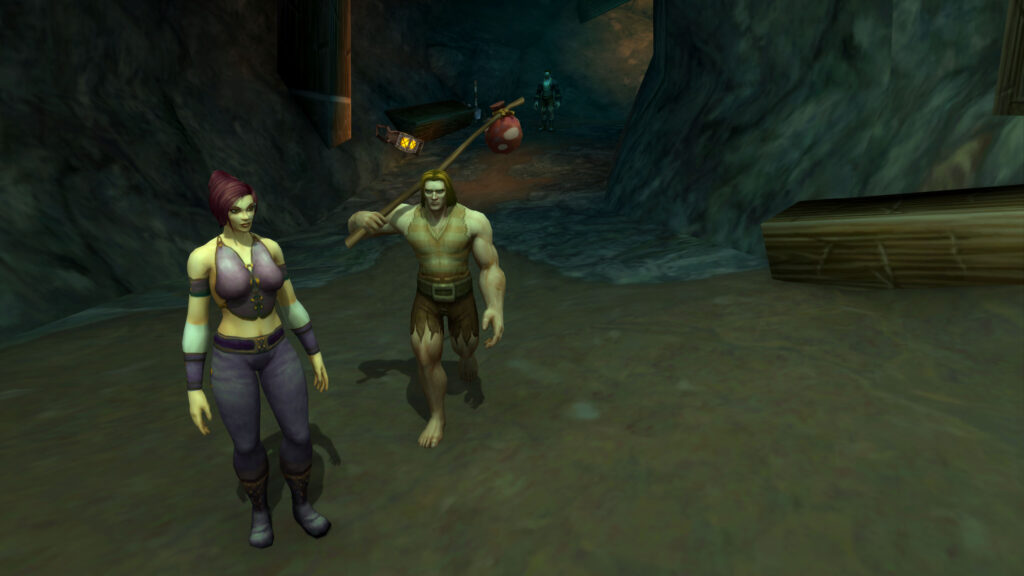
If you earned set bonuses, confirm that the tooltips show the correct active effects. Next, update any gear management add-on or in-game list so that your new items appear in your equipment sets. Remove any temporary marks or notes you made before the run. Then, test your performance: enter a low-level scenario or training area to see how your damage or healing output has changed. Adjust your talent choices or traits if the new gear shifts your stat priorities. Finally, clear out old gear—vendor sell or move to bank anything below your new item level to keep future runs neat. A solid post-boost check ensures you step straight into new content with the best gear in place.
Next Steps for Gear Growth
After a successful boost, it’s important to keep your gear moving forward with a clear plan. First, mark the slots where you still have lower item levels, and set a goal to fill them with your next runs. You can run the same dungeon or raid on easier difficulty for practice or under-geared characters to collect more gear shards or tokens that upgrade your current items. Second, track weekly events and bonus objectives that reset every seven days. These events often drop gear comparable to dungeon rewards and can slot into low-level spots. Third, review crafting options—profession gear recipes can fill gaps in slots like rings, cloaks, or belts. Materials for crafting usually come from gathering nodes or world missions, making them a steady source of upgrades.
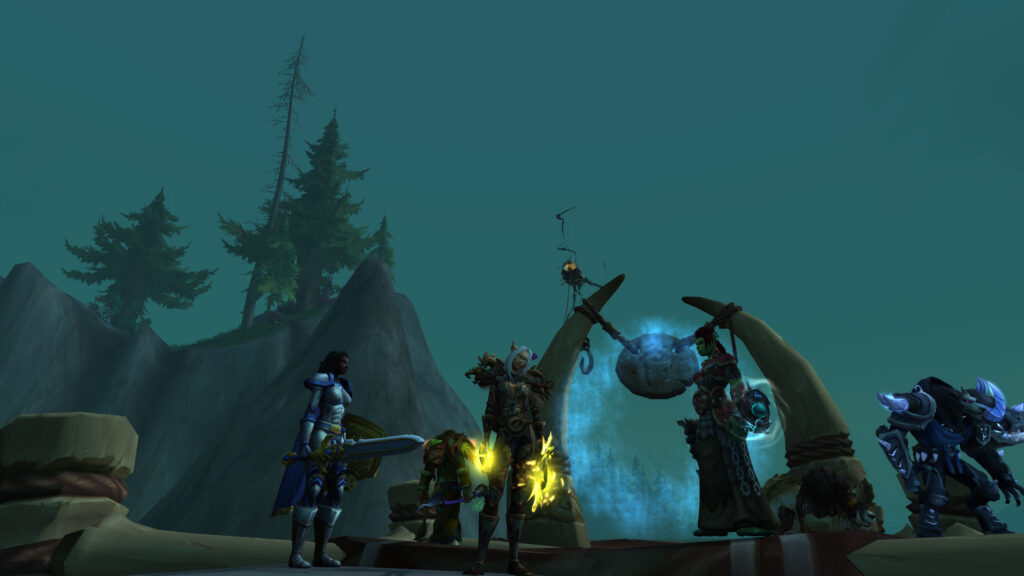
Fourth, join a regular group or guild that runs content often. A consistent team lets you clear bosses at your own pace, earning gear and set bonuses while building strategies that suit your play style. Fifth, keep an eye on patch notes for new content releases or changes to drop tables. Sometimes, a patch reworks loot in existing content, giving you fresh chances to upgrade. Finally, balance your play time: mix short, daily dungeon runs with longer, planned raid nights. This combination keeps your gear climbing steadily without burning out. With each step—weekly events, crafting, group runs, and patch tracking—you set up a sustainable cycle of gear growth that supports your long-term goals and keeps your character ready for the next challenge.
Conclusion
A gear boost offers a fast track to better equipment, but real progress comes from an ongoing routine of play, events, and planning. You started by choosing the right content—dungeons, raids, bonus objectives, or crafting paths—to fill your weakest slots with higher item levels and matching bonuses. You prepared your character with clear slot notes, empty inventory space, and the correct specialization. During the boost, you monitored loot, equipped upgrades on the fly, and kept the run efficient with simple add-ons and quick communication.
After the session, you reviewed each new piece, adjusted your talents, and removed outdated gear. Now, by focusing on weekly events, crafting recipes, consistent group runs, and staying up to date with game patches, you turn a one-off boost into steady gear growth. Remember, a boost jump-starts your progress, but the gear you keep and enhance afterward defines your performance in tougher content. Keep refining your list of target slots, rotate through easy runs for quick upgrades, and plan raid nights with a regular team. With this system, you maintain momentum and enjoy each new milestone. Gear that once seemed out of reach becomes part of your play style, letting you tackle high-level content with confidence. Stick to these steps, and your character will rise in power at a pace that fits your schedule and play preferences.