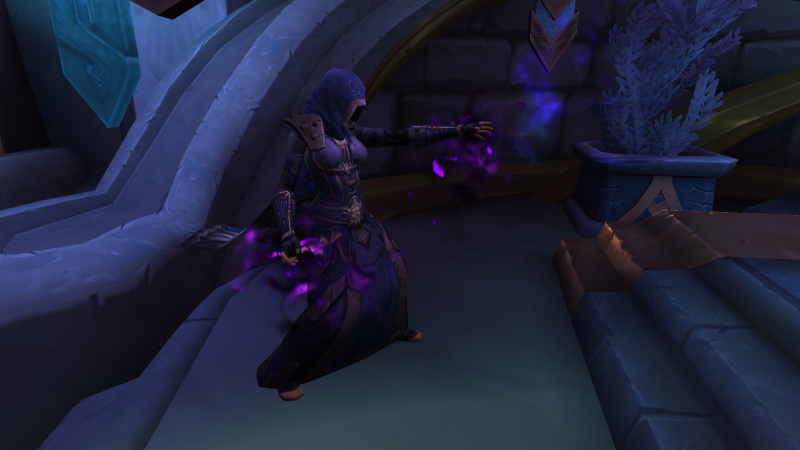

Tanking in World of Warcraft Classic dungeons is a demanding role that requires a deep understanding of threat management. Unlike in retail, Classic emphasizes the importance of generating and maintaining threat to ensure that enemies remain focused on the tank. This guide will delve into the nuances of threat generation, key mechanics, and strategies that will elevate your tanking prowess. We’ll explore the various factors that influence threat, how to effectively use your abilities, and tips on working with your team to ensure a successful run without wipes.
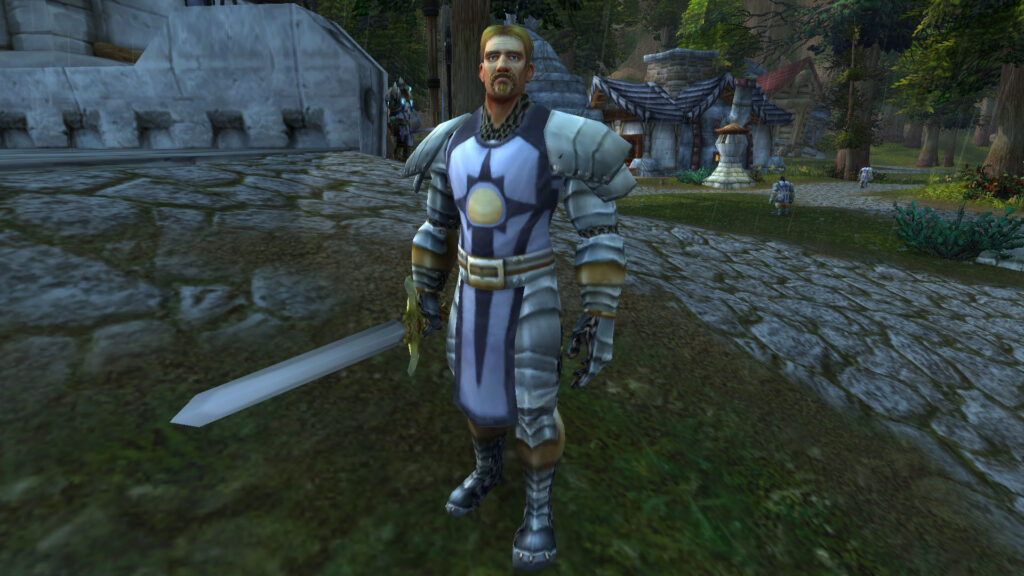
The Basics of Threat Generation
Threat generation is the cornerstone of effective tanking. It is crucial that tanks not only initiate combat but also maintain a lead in threat over all other party members. Threat is primarily generated through specific abilities and basic attacks, with different classes having unique mechanics that influence their threat output. For example, Warriors utilize abilities like Shield Slam and Revenge to generate significant threat, while Paladins rely on Holy Shield and Consecration. Understanding your class’s specific threat mechanics is essential for efficient tanking.
Key Threat Management Abilities
Each tanking class has a set of abilities that should be prioritized to maximize threat generation. Knowing when and how to use these abilities can make the difference between a successful pull and a disastrous wipe. Below is a table summarizing key abilities along with their threat multipliers and cooldowns:
| Ability | Threat Multiplier | Cooldown |
|---|---|---|
| Shield Slam (Warrior) | 150% | 6 sec |
| Devastate (Warrior) | 100% | No cooldown |
| Holy Shield (Paladin) | 100% per block | 10 sec |
| Consecration (Paladin) | 50% per tick | 8 sec |
| Swipe (Druid) | 100% | 6 sec |
Positioning and Line of Sight
Positioning is a critical aspect of tanking in Classic dungeons. As a tank, you should always be mindful of your position relative to the enemies and your party members. Proper positioning allows you to manage Line of Sight (LoS) effectively, ensuring that ranged DPS and healers can attack without interruption. Additionally, positioning yourself away from environmental hazards and ensuring that mobs are stacked can optimize damage output for your party. Remember to always face mobs away from the group to prevent cleave damage and maintain control of the encounter.
Understanding Aggro and Threat Reset Mechanics
Aggro management is vital to prevent DPS from pulling threat and inadvertently wiping the group. It’s essential to understand the different ways threat can be reset or lost. Abilities such as Feign Death or effects from items can cause a player to drop threat. Additionally, certain encounters have mechanics that can reset threat entirely or shift it to another target. As a tank, it’s crucial to communicate with your team regarding their cooldowns and burst damage timings to avoid losing control of the fight. Utilize threat meters to monitor your threat and adjust your abilities in real-time.
Team Coordination and Communication
Effective tanking is not just about managing your own threat; it also involves coordinating with your team. Clear communication is essential for success in dungeons. Make sure to inform your DPS when you are about to pull, and provide them with guidelines on how to pace their damage output. Using voice chat or macros can streamline this process. Additionally, it’s beneficial to discuss strategies for specific encounters beforehand, like assigning focus targets or utilizing crowd control to manage additional mobs. By working together, you can minimize the risk of wipes and ensure a smoother dungeon experience.